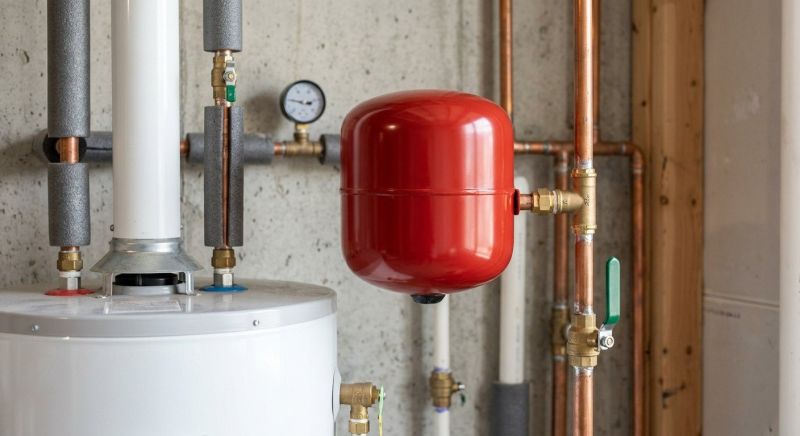
Expansion Tank Installation in Denver, CO
Expansion tank installation services involve adding or replacing a device designed to regulate pressure in a home's hot water heating system. These tanks help prevent water hammer, reduce stress on the plumbing, and improve overall system efficiency. Projects typically include upgrading existing tanks, installing new ones during a plumbing retrofit, or replacing worn-out units to ensure consistent water pressure and protect the system from damage.
Homeowners considering expansion tank installation often want to understand the size and type of tank suitable for their household’s water usage, as well as how the installation process might impact their plumbing. It’s also common to inquire about signs indicating a need for a new expansion tank, such as fluctuating water pressure or frequent system noise. Contacting a professional can help determine the appropriate solution based on the specific heating system and property requirements.
Many property owners in Denver, CO look into Expansion Tank Installation for repairs, replacements, upgrades, and appearance-related improvements.
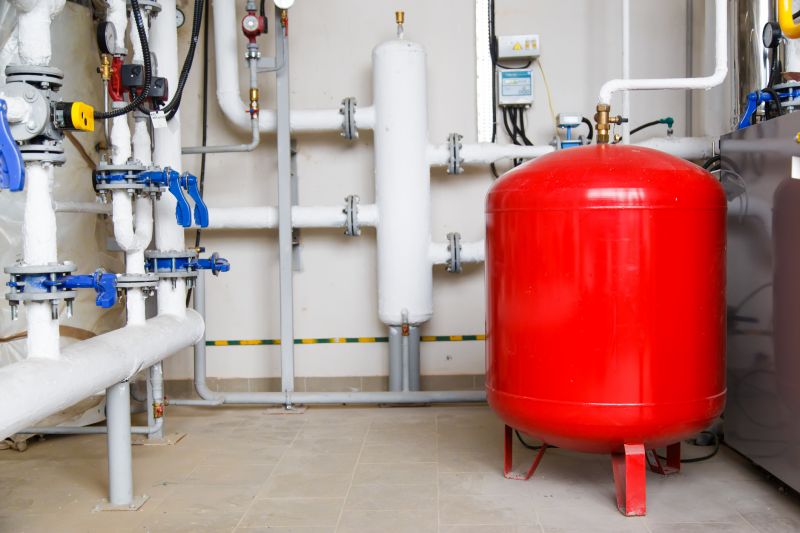
Importance Of Expansion Tanks
Expansion tanks help maintain proper pressure in residential and commercial heating systems.
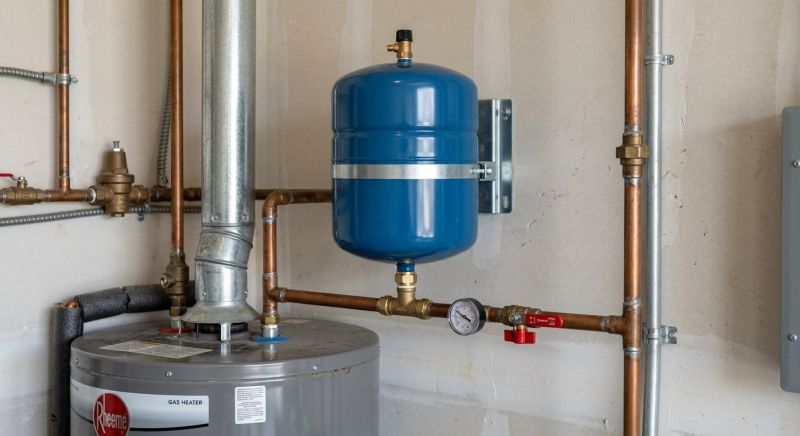
Signs You Need An Expansion Tank
Irregular water pressure or frequent system noises can indicate the need for installation or replacement.
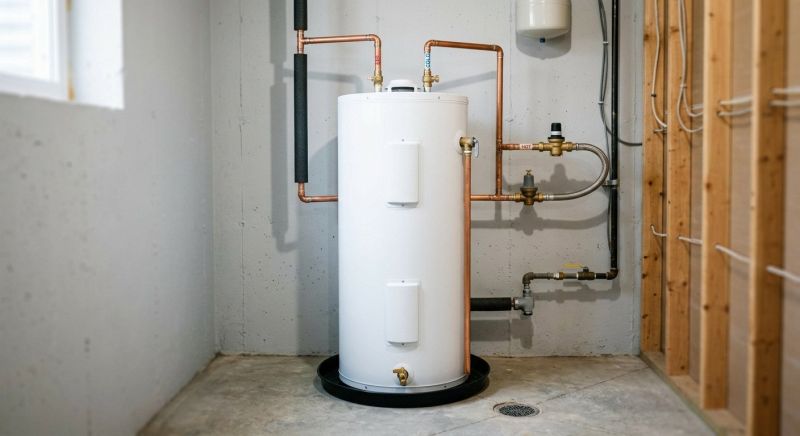
Benefits Of Professional Installation
Proper setup ensures system efficiency and reduces the risk of costly repairs in denver homes and businesses.
Expansion Tank Installation in Denver, CO

Expansion tank installation services involve adding or replacing a device designed to regulate pressure in a home's hot water heating system. These tanks help prevent water hammer, reduce stress on the plumbing, and improve overall system efficiency. Projects typically include upgrading existing tanks, installing new ones during a plumbing retrofit, or replacing worn-out units to ensure consistent water pressure and protect the system from damage.
Homeowners considering expansion tank installation often want to understand the size and type of tank suitable for their household’s water usage, as well as how the installation process might impact their plumbing. It’s also common to inquire about signs indicating a need for a new expansion tank, such as fluctuating water pressure or frequent system noise. Contacting a professional can help determine the appropriate solution based on the specific heating system and property requirements.
Many property owners in Denver, CO look into Expansion Tank Installation for repairs, replacements, upgrades, and appearance-related improvements.
Common Expansion Tank Installation Jobs
Expansion Tank Installation - ensures proper water pressure and prevents tank damage.
Residential Plumbing - supports household water systems with reliable expansion tank setup.
Water Heater Systems - maintains system efficiency by installing or replacing expansion tanks.
Commercial Properties - manages water pressure and system protection in larger buildings.
Leak Prevention - helps avoid water damage caused by pressure fluctuations.
System Upgrades - enhances existing plumbing to improve performance and longevity.
Expansion Tank Installation Questions
What is an expansion tank used for? An expansion tank helps manage pressure in a hot water heating system, preventing damage caused by water expansion.
When should an expansion tank be installed? Installation is recommended when a heating system experiences frequent pressure changes or if the existing tank shows signs of wear.
How does an expansion tank affect system performance? It maintains consistent pressure, reducing stress on pipes and components, which can improve system longevity.
What types of expansion tanks are available? There are primarily bladder and non-bladder types, each suited to different system requirements and preferences.
Request Expansion Tank Installation in Denver, CO
Use the quote form on this page to share the basics of your project and request more information for the type of work you need.